5 Best Apple HomeKit Video Doorbells (UK, 2026)
Apple’s been busy creating its own smart home ecosystem via HomeKit-enabled devices, however, the biggest video doorbell manufacturers have yet to add support (looking at your Google and Ring).
The good news is that there’s now a solid choice of doorbells that work with HomeKit, most of them with HomeKit Secure Video. Apple has even announced its own doorbell, made with LG. In this guide, I’ll share my top recommended video doorbells that support HomeKit, most of them straight out of the box.
Quick Summary
In a rush? Here’s a quick summary of my 3 favourite doorbells for Apple HomeKit:

Aqara Doorbell Camera G400
Wired HomeKit Secure Video doorbell with a 165° head-to-toe view, so you see parcels as well as faces. IP65 weatherproof and records 24/7 to a microSD card.
View on Amazon Aqara Doorbell Camera Hub G410
Runs on batteries for up to 5 months or wired, with mmWave radar for fewer false alerts and a built-in Zigbee and Matter hub.
View on Amazon Aqara Video Doorbell G4
An affordable way to get HomeKit Secure Video, with local face recognition and the choice of AA batteries or existing doorbell wiring.
View on AmazonWhat is HomeKit Secure Video and Why Does it Matter?
First things first, let’s run through Apple’s Secure Video protocol as this will significantly impact video doorbells. Essentially, this means that Apple handles your video, rather than the doorbell manufacturer.
Doorbells and cameras with HomeKit Secure Video will encrypt the footage locally on a home hub (a HomePod, HomePod mini, Apple TV 4K or Apple’s new HomeView) and upload it to Apple’s servers where you can access it via iCloud.
You’ll need an iCloud+ plan to store recordings. The 50GB plan covers one camera, 200GB covers up to five and 2TB is unlimited. The big benefit is that you don’t need a separate subscription from the doorbell manufacturer to keep your footage.
How I Choose the Best Products
As a video doorbell owner and user myself, I include products that I have personally tested as well as other recommendations from trusted contacts in the industry, forums, Facebook groups, and through 100’s of hours reviewing the specs and features of all the doorbells on the market. Please get in touch if you have additional recommendations for me to consider.
Best HomeKit Video Doorbells
Here are my recommended HomeKit video doorbells:
- Best Overall: Aqara G400
- Best Battery-Powered: Aqara G410
- Best Budget: Aqara G4
- Best for Eufy Users: Eufy Video Doorbell S4 (with HomeBase 3)
- Apple’s Own Doorbell: LG Video Doorbell Wired (sold by Apple from December 2026)
Below you’ll find some further information about each of these products.
Best Overall: Aqara Doorbell Camera G400
Aqara Doorbell Camera G400
Wired HomeKit Secure Video doorbell with a 165° head-to-toe view, so you see parcels as well as faces. IP65 weatherproof and records 24/7 to a microSD card.
View on AmazonPros:
Supports HomeKit Secure Video, so recordings are encrypted and stored in your iCloud+
165° head-to-toe view shows parcels on the doorstep as well as faces
IP65 weatherproofing, so it doesn’t need a porch to shelter under
Powered by PoE or your existing doorbell wiring, so there’s no battery to recharge
Cons:
Wired only, there’s no battery option
Video is limited to 1200p in HomeKit
Key specs:
- Video: 2K, 165° field of view, tall 3:4 picture
- Night vision: 940nm infrared
- Power: PoE or existing 8–24V doorbell wiring
- Weatherproofing: IP65
- Storage: HomeKit Secure Video (iCloud+), microSD up to 512GB (not included), backup to a NAS
- Works with: Apple Home, Alexa, Google Assistant, SmartThings
- In the box: plug-in chime and wedge kit
The G400 is my top pick for most Apple homes. It supports HomeKit Secure Video and it’s weatherproof. Better still, the picture shows your whole doorstep rather than just the visitor’s face.
The 165° lens records in a tall 3:4 shape rather than the usual widescreen view. You see visitors from head to toe plus any parcel left at their feet, which is the part a traditional widescreen doorbell camera misses.
Because it’s wired, you never have to take it down to charge it. You can reuse your existing doorbell wiring or power it with PoE if you have a network cable running to the front door.
It has an IP65 rating for dust and water, and Aqara says it works in wind and rain. Unlike the other two Aqara doorbells here, it doesn’t need to sit under a porch.
Person detection runs on the doorbell itself rather than in the cloud. You can also set zones, so you’re only alerted when someone steps into the area you care about. It also recognises familiar faces. The 940nm infrared night vision uses near-invisible LEDs so it can watch the doorstep in the dark without alerting anyone.
You can record 24/7 to a microSD card (not included) and back it up to a NAS if you have one, so you can keep a full history without paying for cloud storage.
The main downside is that HomeKit limits the video to 1200p, and that limit also applies in the Aqara app if you use both at once. It’s still plenty for seeing who’s at the door.
Best Battery-Powered: Aqara Doorbell Camera Hub G410
Aqara Doorbell Camera Hub G410
Runs on batteries for up to 5 months or wired, with mmWave radar for fewer false alerts and a built-in Zigbee and Matter hub.
View on AmazonPros:
Runs on replaceable batteries for up to 5 months (depending on use), or can be wired
mmWave radar gives fewer false alerts than a basic motion sensor
Built-in Zigbee and Matter hub, so there’s no separate hub to buy for Aqara sensors
The microSD card sits in the indoor chime, so footage can’t be stolen with the doorbell
Cons:
Only IPX3 weather resistance, so it needs a covered porch
Video is limited to 1600×1200 in HomeKit
Key specs:
- Video: 2K, 175° field of view, 4:3 picture
- Power: replaceable batteries (up to 5 months, depending on use) or existing doorbell wiring
- Weatherproofing: IPX3
- Storage: HomeKit Secure Video (iCloud+), microSD up to 512GB in the chime, optional cloud storage
- Smart home hub: Zigbee, Matter and Thread border router
- Works with: Apple Home, Matter, Alexa, Google Assistant, SmartThings, Home Assistant
- In the box: 95dB indoor chime
If you don’t have doorbell wiring, the G410 is the one to go for. It runs on replaceable batteries that last up to five months depending on how much it’s used, so you can fit it anywhere within WiFi range without running cables. You can always wire it in later.
Instead of a basic motion sensor, it uses mmWave radar to detect people. Aqara says this means fewer false alerts from pets, wind or moving shadows, so your phone should buzz less often.
It’s also a smart home hub in its own right. It has Zigbee and Matter built in and can act as a Thread border router. That means you can add sensors, lights and locks without buying another hub.
What I like most is that the microSD card goes in the indoor chime rather than the doorbell. If someone steals the doorbell, your recordings stay safe inside. The chime itself is a loud 95dB.
However, the catch is weatherproofing. It only has an IPX3 rating which offers only basic protection against splashing, so it needs to go in an enclosed or semi-enclosed porch. If your front door takes the full force of the British weather, go for the G400 instead.
Best Budget: Aqara Video Doorbell G4
Aqara Video Doorbell G4
An affordable way to get HomeKit Secure Video, with local face recognition and the choice of AA batteries or existing doorbell wiring.
View on AmazonPros:
The cheapest of my picks at the time of writing
Runs on 6 AA batteries (included) or existing doorbell wiring
Local face recognition for alerts and automations
Up to 7 days of event clips in the cloud included
Cons:
1080p rather than 2K
2.4GHz WiFi only
Best fitted under a porch or in a shaded spot
24/7 recording only works when wired
Key specs:
- Video: 1080p
- Power: 6 AA batteries (included) or 12–24V AC / 8–24V DC doorbell wiring
- Storage: HomeKit Secure Video (iCloud+), up to 7 days of event-based cloud storage included, microSD up to 512GB in the chime, backup to a NAS
- WiFi: 2.4GHz only
- Works with: Apple Home, Alexa, Google Assistant, SmartThings, IFTTT
- In the box: 95dB chime-repeater
If you want HomeKit Secure Video without paying much, the G4 is the one to buy. At the time of writing, it’s the cheapest of my picks.
It runs on standard AA batteries (which are included) so there’s no special battery pack to charge. If you do have doorbell wiring you can connect it instead, which also unlocks 24/7 recording to a microSD card.
Face recognition runs locally on the doorbell, so it can tell you who’s at the door or trigger automations when a familiar face arrives. Up to seven days of event clips are included in the cloud, so you can look back at recent visitors without a subscription.
If you have other Aqara sensors, the indoor chime-repeater can also sound as a 95dB siren when one of them is triggered.
Picture quality is 1080p rather than 2K, and it only connects to 2.4GHz WiFi. Aqara also recommends fitting it under a porch or in a shaded spot, so it’s not the one for an exposed door.
Best for Eufy Users: Eufy Video Doorbell S4
Eufy Video Doorbell S4 with HomeBase 3
Wired 3K doorbell with a 180° × 180° view and AI tracking. Works with HomeKit through the included HomeBase 3, with local storage and no monthly fees.
View on AmazonPros:
Works with HomeKit when connected to a HomeBase 3
180° × 180° view covers the doorstep from the ground up and wall to wall
9MP (3K) video with colour night vision
Local storage with no monthly fees
Cons:
Needs a HomeBase 3 for HomeKit, which adds to the cost
No HomeKit Secure Video support listed
The Home app only shows a fixed live view, so VR Mode and tracking stay in the Eufy app
Wired only
Key specs:
- Video: 9MP (3K), 180° × 180° view, colour night vision
- Power: wired, 16–24V AC or 16–35V DC (adapter or transformer not included)
- Storage: 4GB built in, microSD up to 1TB (not included), more local storage via the HomeBase 3
- HomeKit: through HomeBase 3 (S380), with an Apple home hub such as a HomePod
- Works with: Apple Home (via HomeBase 3), Alexa, Google Assistant
- WiFi: 2.4/5GHz
- In the box: chime, plus the HomeBase 3 in the bundle linked here
If you’d rather stick with Eufy, the S4 is the one to look at. Eufy says it supports HomeKit when it’s connected to a HomeBase 3 (also called the S380), and you’ll need an Apple home hub such as a HomePod too.
Its headline feature is a 180° × 180° view, so you see the whole doorstep from the ground up and wall to wall. In the Eufy app, VR Mode lets you look around the scene by moving your phone. OmniTrack also follows visitors and keeps them centred. That means you can see where a courier went and where they left a parcel, not just who rang the bell.
However, the catch for Apple users is that those features stay in the Eufy app. The Home app only shows a fixed live view. Eufy also doesn’t list support for HomeKit Secure Video, so you don’t get iCloud recording through the Home app.
Instead, recordings are stored locally on the doorbell with 4GB built in and a microSD slot for up to 1TB (card not included). That means there are no monthly fees to keep your footage. The 9MP camera also has colour night vision, so you still get a sharp, identifiable picture after dark.
It’s wired only, so you’ll need existing doorbell wiring or an adapter. It also costs more than any of the Aqara doorbells, even before you add the HomeBase 3. If you already have a HomeBase 3, you can buy the doorbell on its own.
Apple’s Own Doorbell: LG Video Doorbell Wired
Pros:
Set up with one tap from your iPhone, with no separate app or account
Two cameras show visitors and parcels separately
HomeKit Secure Video with no separate camera subscription
Works with the Home Collection smart lock, so you can see who’s there and unlock the door from one screen
Cons:
Wired only
Only sold by Apple, not on Amazon
Costs more than twice as much as any of the Aqara doorbells
Key specs:
- Cameras: two, one facing visitors and one facing down at parcels
- Light: built-in spotlight
- Power: wired
- Storage: HomeKit Secure Video (iCloud+)
- Chime: plays through HomeView, HomePod or HomePod mini
- Finishes: Essence Graphite and Essence Silver
- Where to buy: Apple, from December 2026
In October, Apple announced Apple Home Collection, its own range of smart home accessories designed with LG and Schneider Electric. The video doorbell is made by LG, and it’s big news if you’ve been waiting for an official Apple option.
Everything happens in the Home app. There’s no separate app or account to set up. You add it by tapping your iPhone, and recordings go to your iCloud+ plan through HomeKit Secure Video, so there’s no extra camera subscription.
It has two cameras. One shows the person at the door and the other points down at the doorstep, so you can check on a parcel without losing sight of the visitor. There’s also a built-in spotlight for lighting up the doorstep, and when someone rings, the chime plays through your HomePod or HomeView.
Pair it with the Home Collection smart lock and the two work as a front-door system. You can see who’s there and let them in from the same screen, or just ask Siri.
The downsides are that it’s wired only and isn’t sold on Amazon. It also costs more than twice as much as any of the Aqara doorbells. If you want everything from Apple, it’s available from Apple from December 2026.
Video Doorbell Buyers Guide
Here is a run down of some key specs and features to keep in mind when deciding which video doorbell to buy:
Video Quality and Viewing Angle
First and foremost, a video doorbell is a security camera, so you need to clearly see who is at your front door. Ensure a high resolution and ideally some infrared night vision to make use of it at night too.
The viewing angle is important, not just horizontally but vertically too if you intend to keep an eye on any packages delivered.
Wired vs Battery Powered
A battery powered doorbell is usually the simplest to install as no cabling is required, connect to the WiFi and attach to the wall. However, you will need to regularly recharge it, usually every month although some will last a lot longer.
The alternative is a wired device, this requires extra work to install as you’ll need to do some cabling, but you won’t need to worry about the battery running out.
Activity Zones
An activity zone allows you to set certain areas of the camera to monitor for motion, rather than monitoring the entire view.
This is particularly important if you live on a busy street with people or cars constantly passing which could set off the motion detection.
Storage
How and where the video doorbell stores the footage is important. Some doorbells do not have local storage (on the device) which means it must use the cloud, usually with an ongoing cost.
For those that do store footage locally, the best option is a hub inside the house, otherwise thieves could steal the footage along with the doorbell.
Does Ring Work with HomeKit?
No, Ring doorbells, cameras and other devices do not work with Apple HomeKit out of the box.
Ring have repeatedly said they are working on HomeKit integration for a number of years, however with Amazon now at the helm, it’s unlikely that we’ll see this come to fruition.
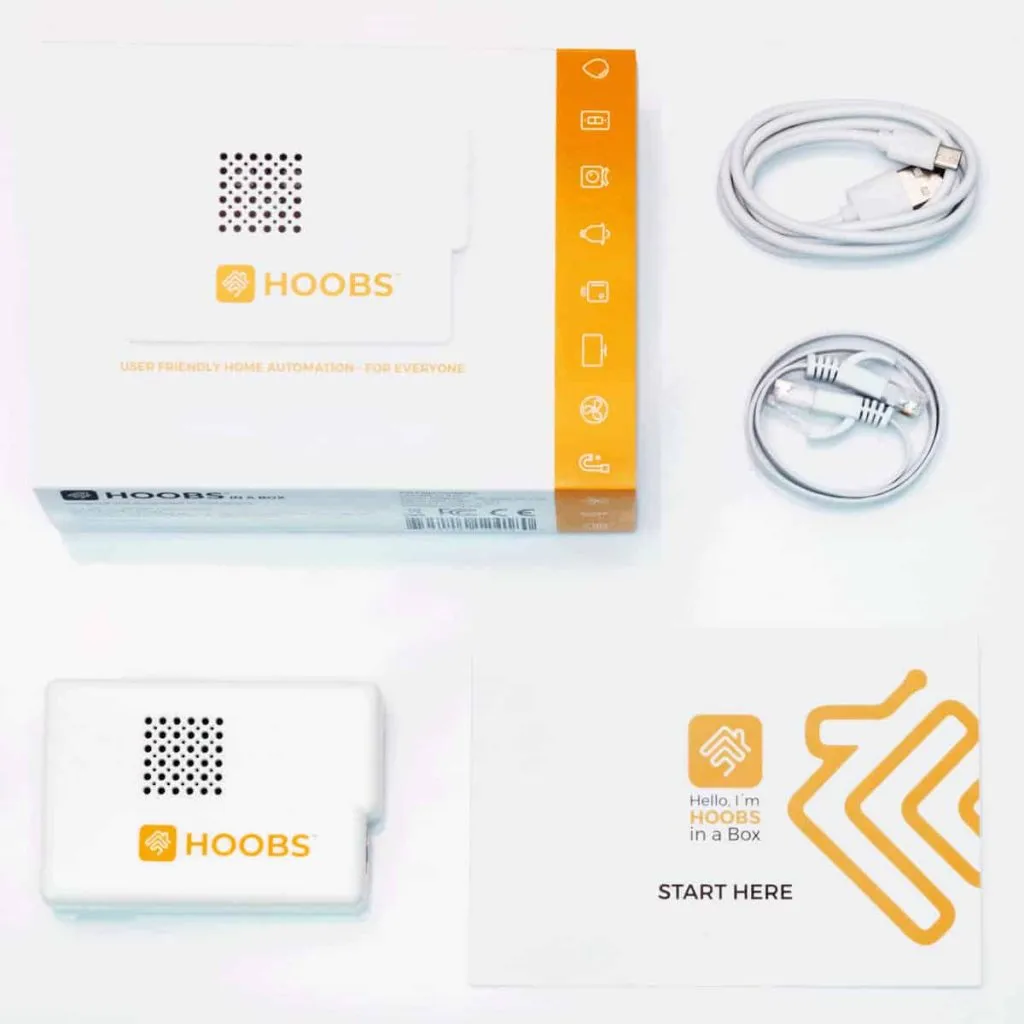
However, with a third party go-between called HOOBS (Homebridge Out Of the Box), it’s possible to set up an unofficial integration between the two.
HOOBS is opensource software that can be installed on a Raspberry Pi or purchased pre-installed.
Find out more about this integration in my full guide on connecting Ring to HomeKit.
Does Nest Hello Work with HomeKit?
No, Nest Hello does not integrate directly with HomeKit. Google and Apple are fierce rivals in just about every market so this isn’t something I’d expect to see anytime soon.
That being said, you can still connect the two unofficially using these third-party bridges:
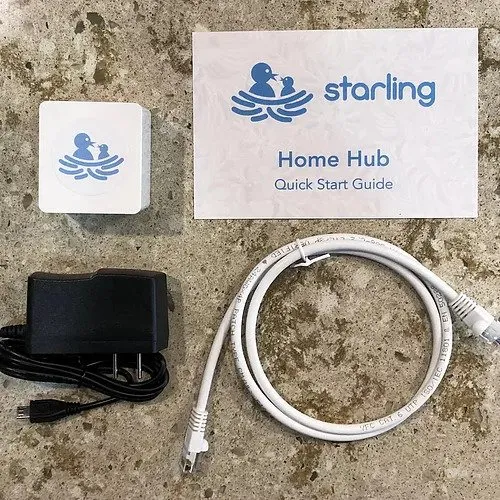
One is using HOOBS as mentioned above in the section about Ring, but a more streamlined way (and cheaper) is using the Starling Home Hub.
The Starling Home Hub is from the same makers as HOOBS, but its only purpose is to connect Google’s Nest products (including the Nest Hello doorbell) with HomeKit.
Find out more about this integration in my article on connecting Nest Hello to HomeKit.
Does Eufy Video Doorbell Work with HomeKit?
Yes, the Eufy Video Doorbell S4 does. Eufy says it supports HomeKit when it’s connected to a HomeBase 3 (S380), and you’ll also need an Apple home hub such as a HomePod.
It isn’t a full HomeKit experience, though. The Home app only shows a fixed live view while VR Mode and OmniTrack tracking stay in the Eufy app. Eufy also doesn’t list support for HomeKit Secure Video.
Eufy describes its other doorbells, such as the E340 and C31, as non-HomeKit alternatives for Alexa and Google Assistant homes. I’ve added the S4 to my list above if you want to stick with Eufy.